Introduction
Technological innovation is rapidly transforming fertilizer application practices across global agriculture. With increasing pressure to improve productivity while reducing input costs, farmers worldwide are adopting modern, technology-driven solutions to optimize fertilizer use.
Precision agriculture tools, data-based nutrient planning, and digital farm management systems are reshaping how fertilizers are applied, making efficiency and sustainability central to the future of the global fertilizer industry.
Precision Farming and Smart Fertilizer Use
Precision farming has emerged as a key driver of change in fertilizer application worldwide. Tools such as soil testing technologies, GPS-enabled fertilizer spreaders, and satellite-based field monitoring systems allow farmers to apply nutrients based on actual crop and soil requirements.
This targeted approach helps prevent over-application, reduces nutrient loss, and significantly improves overall fertilizer efficiency.
Data-Driven Nutrient Recommendations
Digital platforms and agricultural advisory systems increasingly provide data-driven fertilizer recommendations tailored to specific crops, soil conditions, and climatic zones. These recommendations help farmers determine the optimal fertilizer type, dosage, and timing.
As a result, crops receive balanced nutrition, leading to improved growth, higher yields, and better-quality produce across diverse farming regions.
Cost Reduction and Resource Efficiency
Technology-enabled fertilizer application plays a crucial role in reducing wastage and input costs. By applying fertilizers only where and when they are required, farmers can lower production expenses while maximizing returns.
Efficient nutrient management also minimizes environmental impact, making technology adoption beneficial for both agricultural productivity and ecosystem health.
Role of Digital Agriculture in Fertilizer Management
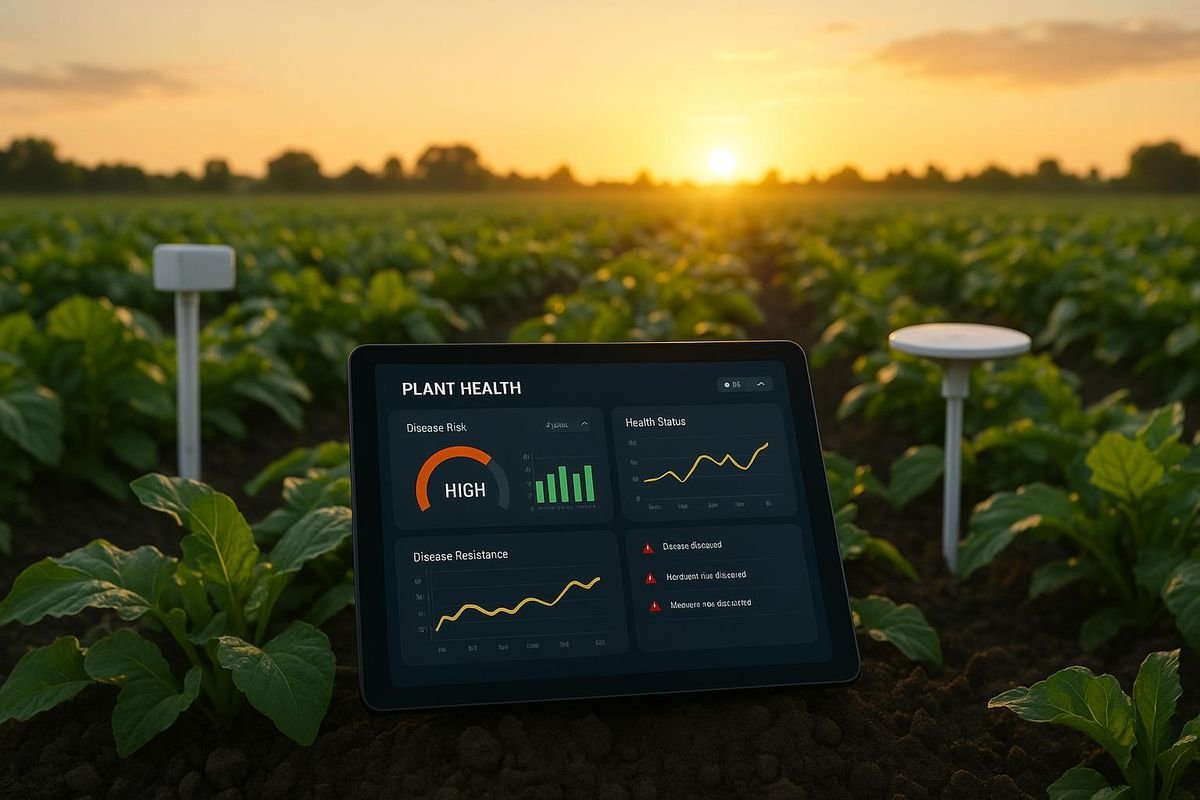
Digital agriculture tools such as mobile applications, farm management platforms, and sensor-based monitoring systems are increasingly supporting fertilizer planning and decision-making globally.
These tools offer real-time insights into soil health, crop performance, and nutrient needs, enabling farmers to respond quickly and accurately to changing field conditions.
Improving Crop Response and Productivity
Accurate and timely fertilizer application enhances nutrient uptake by crops, resulting in improved root development, stronger plant growth, and higher overall productivity.
Technology-driven practices ensure fertilizers deliver maximum agronomic benefit, helping farmers achieve consistent yields even under variable and changing climatic conditions.
Future Outlook for Technology in Fertilizer Application
As digital infrastructure, connectivity, and farmer awareness continue to expand globally, technology adoption in fertilizer application is expected to accelerate. The integration of artificial intelligence, remote sensing, and smart machinery will further enhance precision and efficiency.
Technology-driven fertilizer use will play a critical role in building a sustainable, resilient, and future-ready global agricultural ecosystem.