The global fertilizer industry is entering a transformative phase in 2026, driven by rising agricultural demand, evolving government policies, and an increasing focus on sustainability. As agriculture worldwide adapts to modern farming practices, fertilizer consumption continues to rise due to expanding cultivation needs, climate-driven production challenges, and the ongoing requirement to enhance crop productivity.
At the same time, global fertilizer production capacity is strengthening across multiple regions, helping reduce supply vulnerabilities and support long-term food security. The industry is gradually transitioning from volume-based growth to efficiency-driven and sustainable solutions, making innovation a central growth catalyst.
Growing Global Demand for Fertilizers
Fertilizers remain essential to meeting the world’s growing food demand amid population growth, shrinking arable land, and increasing pressure on agricultural systems. Greater awareness among farmers about soil health, balanced nutrition, and yield optimization has accelerated fertilizer usage across major crops worldwide.
Favorable weather patterns in key agricultural regions, along with improved irrigation and mechanization, are further supporting higher fertilizer application during primary cropping seasons.
Strengthening Global Fertilizer Production
Global fertilizer manufacturing capacity has expanded significantly, enabling major producing regions to meet a larger share of domestic and international demand. This expansion has helped stabilize supply chains and reduce exposure to global price volatility.
Investments in infrastructure, technology, and efficient production processes have enhanced the reliability of fertilizer availability, ensuring timely distribution to farming communities across continents.
Shift Toward Efficiency-Driven Solutions
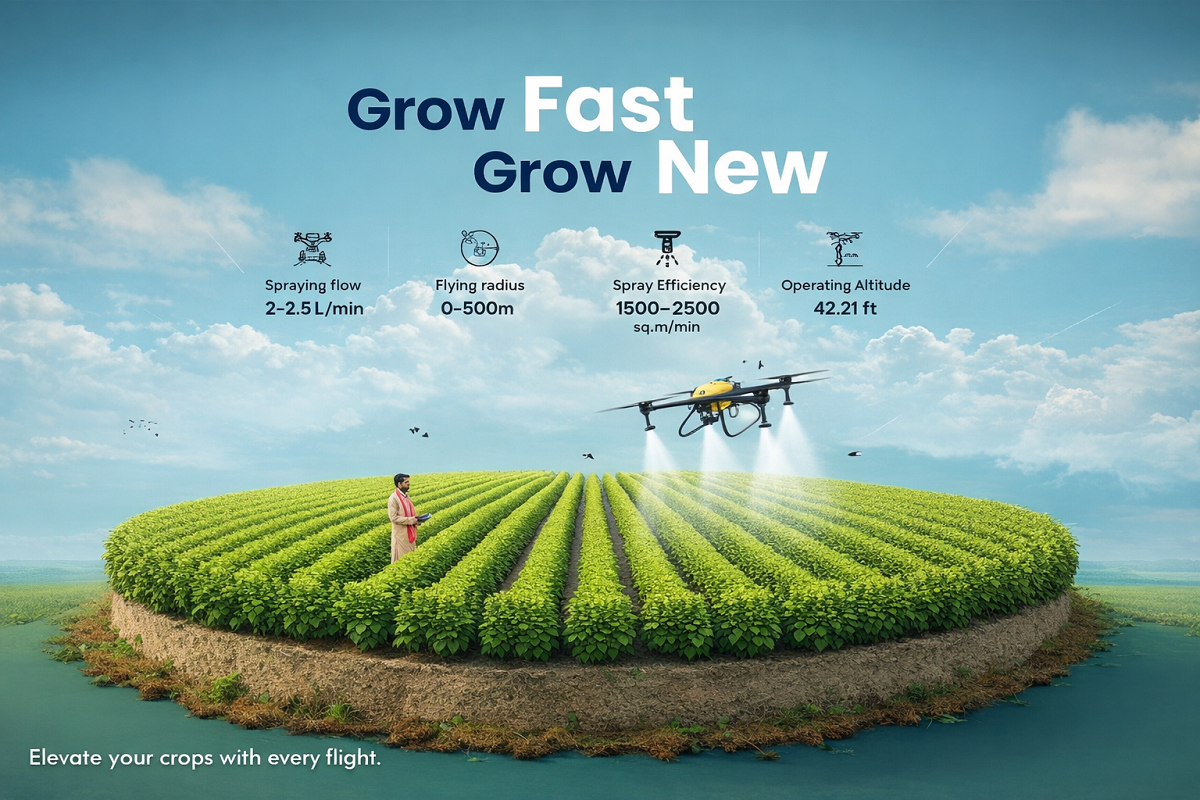
The global fertilizer sector is steadily moving away from high-volume usage toward precision-based and efficiency-focused nutrient management. Advances in precision agriculture, soil analytics, and data-driven application techniques are enabling farmers to optimize fertilizer use while minimizing waste.
Specialty fertilizers, controlled-release formulations, and micronutrient-based products are gaining widespread adoption for their ability to improve nutrient uptake, enhance soil health, and boost crop performance.
Sustainability and Environmental Focus
Sustainability has become a defining priority for the global fertilizer industry. Increased adoption of bio-fertilizers, organic inputs, and environmentally responsible formulations is helping reduce ecological impact while maintaining agricultural productivity.
Balanced nutrient management supports higher yields while preserving soil fertility, reducing nutrient runoff, and contributing to long-term environmental resilience in agricultural ecosystems.
Policy and Regulatory Support Worldwide
Governments and international institutions continue to support the fertilizer sector through subsidy frameworks, digital monitoring systems, and policy reforms aimed at improving transparency, efficiency, and responsible use.
These initiatives are designed to ensure affordable access to fertilizers globally while encouraging sustainable nutrient management practices across diverse farming systems.
Global Outlook for 2026 and Beyond
Looking ahead, the global fertilizer industry is expected to experience steady growth, supported by technological innovation, sustainable farming practices, and strong policy alignment. The focus will remain on improving efficiency, lowering environmental impact, and enhancing farmer productivity worldwide.
As global agriculture continues to evolve, fertilizers will remain a critical pillar in achieving food security, economic stability, and sustainable agricultural development across the world.