Introduction
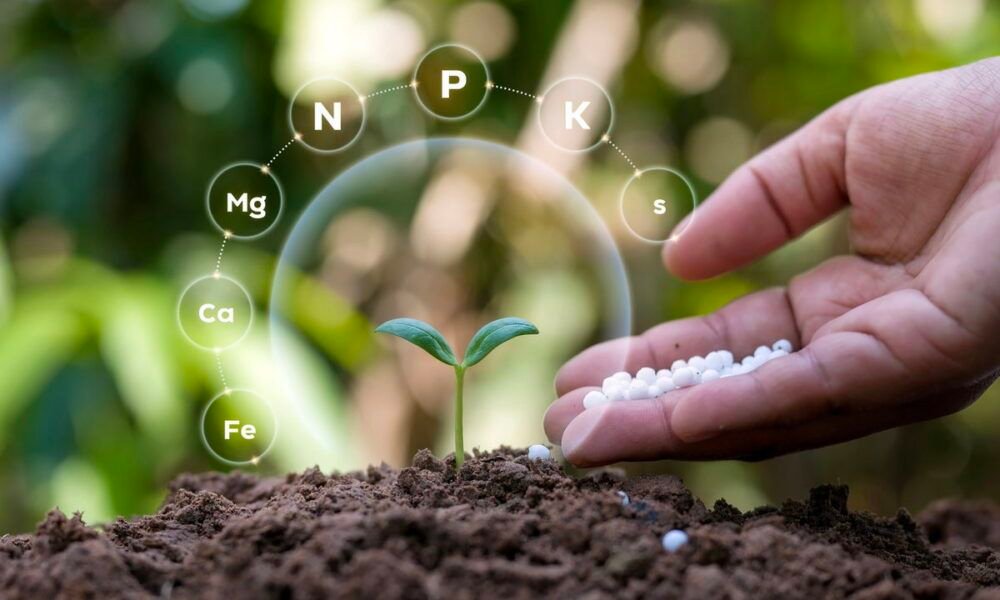
Global fertilizer demand is rising steadily as farmers across the world focus on improving crop yields, soil nutrition, and overall farm productivity. With increasing food requirements, population growth, and limited arable land, fertilizers have become essential inputs for sustaining agricultural growth worldwide.
At the same time, global supply chain disruptions and price volatility have pushed fertilizer imports to record levels in many regions. In response, domestic fertilizer production across major agricultural economies has reached historic highs, strengthening self-reliance and reducing dependence on foreign suppliers.
Increasing Fertilizer Demand in Global Agriculture
The growing demand for fertilizers worldwide is driven by several key factors, including population growth, rising food consumption, and greater awareness of soil health management. Farmers are increasingly adopting modern and efficient farming practices that require balanced and timely nutrient application to maximize yields.
Seasonal weather patterns, improved irrigation systems, and expanded crop acreage in key agricultural regions further contribute to higher fertilizer consumption across major global farming zones.
Impact of Global Price Volatility on Fertilizer Imports
Many countries remain partially dependent on fertilizer imports to meet nutrient requirements. Fluctuations in global fertilizer prices, geopolitical tensions, and supply chain uncertainties have resulted in increased import volumes and higher procurement costs.
These challenges have underscored the importance of strengthening domestic production capacities to ensure price stability and uninterrupted fertilizer availability for farming communities worldwide.
Record Growth in Domestic Fertilizer Production
Domestic fertilizer manufacturing has expanded significantly across multiple regions, now supplying a substantial share of local and regional fertilizer demand. This growth has been supported by policy initiatives aimed at boosting local production capacity and improving industrial infrastructure.
Increased investment in manufacturing facilities, technology upgrades, and efficient supply chains has helped ensure timely fertilizer distribution across rural and agricultural regions globally.
Policy Support for Local Manufacturing
Government policies, regulatory reforms, and subsidy mechanisms continue to play a crucial role in encouraging domestic fertilizer production worldwide. Nutrient-based support systems, policy incentives, and digitized monitoring frameworks have created more transparent and efficient fertilizer ecosystems.
These initiatives not only reduce import dependence but also support farmers by maintaining affordability and ensuring reliable access to essential agricultural inputs.
Benefits of Reduced Import Dependency
Lower reliance on fertilizer imports helps protect agricultural systems from global market fluctuations. It enhances food security, supports rural livelihoods, and strengthens domestic agro-input industries across countries.
A robust local fertilizer sector also enables better quality control, improved supply continuity, and greater resilience against external disruptions.
Future Outlook
As global fertilizer demand continues to rise, sustained focus on domestic production growth will remain critical. Ongoing investments, supportive policies, and technological advancements are expected to further strengthen the fertilizer sector in the years ahead.
Balancing rising demand with efficient and sustainable production practices will be key to achieving long-term agricultural resilience, food security, and economic stability worldwide.